Why Egyptian Pattern Machine Fits Perfectly in Craft Fair Displays
A Bold and Timeless First Impression
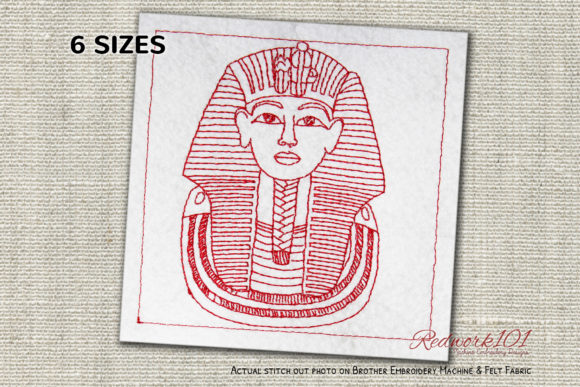
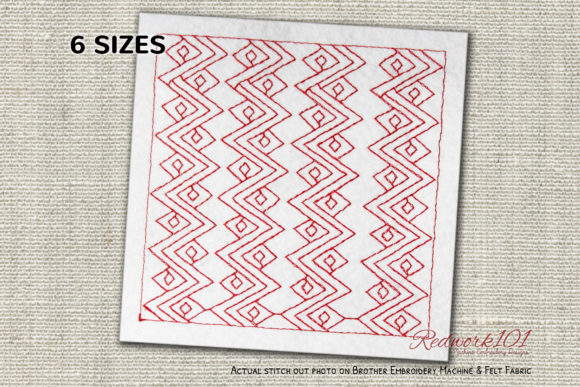
The Egyptian Pattern Machine design immediately catches the eye with its rich cultural flair and intricate geometric patterns. It feels both elegant and decorative, making it a standout for those looking to add a touch of African-inspired artistry to their handmade products. While the outer box is often a different color, this gives you creative freedom to highlight the main motif or integrate it seamlessly into your product’s overall aesthetic.
This machine embroidery design isn’t just another filler pattern—it brings depth and visual interest that can elevate even the simplest fabric items. As an experienced embroidery designer preparing for a craft fair booth, I find it has the perfect balance between complexity and clarity. The boldness of the pattern ensures it doesn’t get lost on display, while its roots in African heritage give it a unique selling angle for shoppers who appreciate global-inspired designs.
Tote Bags
One of the most versatile canvases for embroidery file use is the tote bag. The Egyptian Pattern Machine shines here, especially when placed centered on a natural linen or canvas base. Its scale works well as a large focal point, but also adapts beautifully to smaller placements if you're aiming for a more subtle statement. Customers are always drawn to bags with strong, repeatable designs—this one definitely fits the bill.
Aprons
Apron embroidery needs to be both functional and fashionable. This design adds a decorative yet meaningful element to cotton aprons, particularly those with a rustic or farmhouse look. The optional box stitch helps define the pattern area without overwhelming the rest of the garment. Just make sure the placement allows for easy movement and doesn’t interfere with pockets or straps.
Tea Towels
Tea towels are a staple at any handmade market. The Egyptian Pattern Machine offers a great opportunity to create something that looks like a museum piece but still functions as a kitchen essential. When stitched onto white or off-white cotton, the design pops with clarity and becomes a conversation starter. It’s ideal for batch production if you’re creating multiple towels for your booth.
Caps and Patches
For embroidered patches or curved cap surfaces, the Egyptian Pattern Machine can be adapted to fit the shape and size constraints. However, due to its detailed nature, it's important to test how the pattern flows across a dome-like surface. Tiny details might not translate well unless you have high-quality thread and precise stitching control. A patch version could work wonders as a gift item or a custom add-on for customers.
Fabric Pouches and Pillow Covers
Small fabric pouches or pillow covers offer a chance to showcase the machine embroidery design as an accent rather than the main feature. For these items, consider using a single-color background with contrasting thread colors to let the pattern stand out. These pieces are perfect for adding curated charm to your craft fair product lineup and can serve as effective samples for customer engagement.
Gift Items and Market Bags
Handmade gifts such as market bags benefit from designs that feel premium and purposeful. The Egyptian Pattern Machine does exactly that when applied to sturdy organic cotton or recycled materials. Its bold presence makes it ideal for branding or as a signature piece in your collection. Think about pairing it with leather handles or wooden toggles to enhance its artisanal appeal.
Production and Selling Considerations
Before diving into mass production, take time to understand how the Egyptian Pattern Machine behaves on different fabrics and under various conditions. Here are some key factors to keep in mind:
- Density: The design includes dense stitch areas that may require careful management to avoid puckering. Use a good stabilizer and test on scrap fabric first.
- Thread Colors: The contrast between the outer box and the central pattern is crucial. If the box is part of the design, ensure the chosen colors complement each other. Otherwise, skip the color easily to streamline the process.
- Hoop Size: Confirm the required hoop size before setting up your production schedule. If not specified, review the design assets carefully or reach out to the seller for details.
- Commercial Licensing: Always verify whether the digital embroidery file comes with commercial rights. If not, you’ll need to secure proper licensing before turning it into a small shop product for sale.
Photography and Online Listings
If you're also an Etsy seller, you'll appreciate how well this design photographs. The bold lines and defined shapes translate clearly in photos, especially against clean backdrops. Creating a printable mockup will help potential buyers visualize the design on actual products before purchasing. Make sure to show it in different lighting and angles to highlight its dimensionality and texture.
Design Tips for Maximum Appeal
- Test on Scrap Fabric: Before committing to a full run, stitch the design on a few scraps of the fabric you plan to use. This helps catch issues like tension problems or thread visibility.
- Check Thread Contrast: Ensure the threads you choose pop against the fabric. Darker fabrics may require lighter or metallic threads for better visibility.
- Review Spacing: Look closely at the spacing between elements to avoid overcrowding, especially if you plan to repeat the design on larger products.
- Confirm Hoop Size: Some machines require specific hoops for optimal results. If the hoop size isn't provided, double-check the design specifications or consult with the supplier.
- Inspect Stitch Density: Dense areas may need extra attention during the embroidery process to prevent distortion. Using a tear-away or cut-away stabilizer can help maintain quality.
- Use the Right Stabilizer: Depending on the fabric, choose a stabilizer that supports the design without leaving residue or showing through.
- Create a Real Mockup: Showcasing the design on a finished product (like a tote bag or apron) builds trust with customers. Include it in your booth setup and online listings.
- Compare Fabric Colors: The same design can look vastly different on beige versus navy blue. Test several color options to see which ones bring out the best in the pattern.
- Confirm Commercial Rights: If you're planning to sell the finished product commercially, make sure the digital embroidery file includes permission for such use.
Booth Display and Branding Power
The Egyptian Pattern Machine isn’t just a design—it’s a brand-enhancing asset. When displayed among your handmade product range, it signals quality and intentionality. It can become a signature look for your booth, especially if you pair it with neutral or earthy tones that reflect its African roots.
Consider grouping similar products together—maybe a set of tea towels and small pouches all featuring the same design variations. This approach helps reinforce brand consistency and encourages customers to explore multiple items. At craft fairs, where competition is fierce, a cohesive theme with bold, repeatable designs like this one can significantly increase buyer engagement and perceived value.
Final Thoughts for Embroidery Designers and Handmade Entrepreneurs
In summary, the Egyptian Pattern Machine is a strong contender for your next craft fair product line-up. Its blend of cultural inspiration and modern adaptability makes it suitable for a wide array of items—from tote bag design to commercial embroidery projects. Whether used as a standalone feature or paired with minimalistic styles, it adds visual weight and sophistication.
As a professional, I recommend starting with one or two finished product types to gauge customer response. Once you’ve tested and refined your application method, you can confidently expand into new formats. Remember, what sells in person often differs from what looks good online, so always build real-world samples for your booth and digital listings alike.
With the right care and presentation, the Egyptian Pattern Machine can become a favorite among shoppers looking for unique, handcrafted items with a story behind them. Keep your eyes open for opportunities to showcase it creatively and profitably!