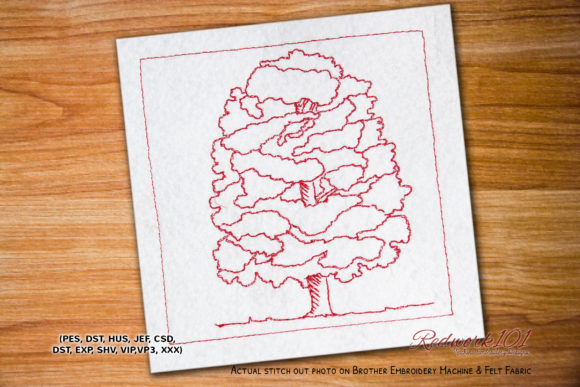
Chestnut Tree Design Review: A Standout for Craft Fair Creations
As an experienced embroidery designer with years of crafting and selling at local craft fairs, I've learned that a successful product is more than just a beautiful design. It needs to capture attention quickly, look great in person and online, and be practical enough for batch production. The Chestnut Tree Design ticks many of these boxes, but there are nuances every handmade seller should consider before turning it into their next best-selling item.
First Impressions: Rustic and Elegant Allure
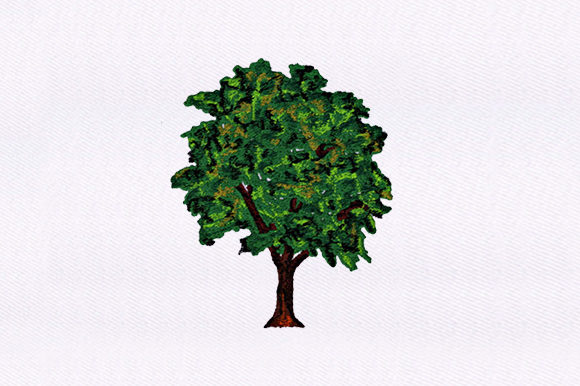
The moment you see the Chestnut Tree Design, its charm becomes evident. The imagery suggests a natural, forest-inspired motif—perfect for those who love farmhouse or rustic themes. The optional box stitch gives it a framed, decorative feel, which could appeal to customers looking for structured or gallery-style embroidery. This design has a soft yet bold presence, making it ideal for both cozy home goods and statement pieces at your craft fair booth.
How It Works on Products
- Tote Bags: The Chestnut Tree Design adds a touch of elegance and nature to canvas or linen totes. Its visual weight makes it perfect as a centerpiece, especially when paired with neutral tones or earthy colors.
- Aprons: As apron embroidery, this design brings warmth and personality to kitchen wear. The tree motif complements floral or checkered apron patterns, enhancing the overall aesthetic without overwhelming it.
- Tea Towels: On cotton tea towels, the design feels like a hand-painted watercolor. It’s subtle enough for everyday use but still eye-catching for farmhouse-style kitchens. However, due to fabric texture, stitch density may need adjustment for clarity.
- Embroidered Patches: The design translates beautifully into patch form. Whether sewn onto denim jackets or added to custom bags, it's versatile and can be used in both large and small sizes depending on the placement.
- Pillow Covers: When stitched onto pillow covers, the chestnut tree brings a sense of calm and organic beauty. Use it alone or pair it with other forest-themed designs for a cohesive look.
- Fabric Pouches: On smaller pouches, the design serves as a delicate accent. Its simplicity allows it to blend seamlessly with minimalistic or shabby-chic styles.
- Market Bags: For eco-friendly shoppers, this design elevates reusable market bags with a natural, premium feel. Make sure to test on thick fabric to ensure the stitches don’t distort during production.
- Caps: Embroidering the design on curved surfaces like baseball caps requires careful planning. Opt for a simplified version with less dense stitching to maintain visibility and avoid puckering.
- Handmade Gifts: The machine embroidery design works well on personalized gifts such as baby blankets, monogrammed pillows, or holiday stockings. Its adaptability makes it a strong contender for seasonal collections.
- Booth Samples: This design stands out in a display because of its balance between detail and simplicity. It photographs well and can be shown in multiple formats to highlight its versatility.
- Printable Mockups: If you're an Etsy seller or digital product creator, printable mockups featuring the embroidery file will help buyers visualize how it looks on different items before purchasing the design assets.
- Commercial Embroidery: While it shows promise for small shop products, always double-check the commercial licensing terms if you plan to sell finished goods in bulk.
Practical Selling and Production Insights
The Chestnut Tree Design is easy to recognize at a glance, making it a good candidate for impulse buys at craft fairs. Its visual clarity helps customers understand what they’re buying without needing extra explanation. That said, keep in mind that some elements might lose definition when scaled down, so test it on various hoop sizes before finalizing your product lineup.
Photography is another key factor. The design has enough character to stand out in photos but doesn't require overly dramatic lighting to do so. Use flat lays with contrasting backgrounds to emphasize thread colors and depth. If the outer box is part of the design, consider whether it enhances or distracts from the main tree image based on your brand identity.
For batch production, this design is repeatable but not necessarily quick. Dense stitch areas may slow down machines and require higher-quality stabilizers. If you're creating a line of handmade products, take time to review spacing and adjust for different fabric types to maintain consistency across all items.
When It Shines Brightest
- Large Focal Designs: On tote bags or market bags, using the full size of the design turns it into a standout feature. Buyers often gravitate toward bold, nature-inspired graphics that reflect quality and care.
- Small Accent Details: When reduced in size, it can act as a charming accent on patches, pouches, or even embroidered buttons. These subtle touches add value to your small shop product offerings without being too demanding on machine time.
- Dark Fabric Contrast: The design features varying thread colors, so testing it on dark fabrics is essential. Ensure that the contrast remains clear and that no details get lost in the shadows.
- Thick & Textured Fabrics: Because of its intricate lines and potential for dense stitching, it's important to test the design on thick or textured materials. Adjust stitch settings accordingly to prevent distortion or misalignment.
Design Care Notes for Maximum Appeal
To make the most of the Chestnut Tree Design, here are some tips to keep in mind:
- Dense Stitch Areas: Be mindful of regions where the design has tight, overlapping stitches. These can cause heat buildup during embroidery and may require pauses or additional cooling.
- Tiny Details: Some versions include fine lines or small leaf clusters. These are best suited for smooth fabrics and high-quality threads to maintain sharpness and definition.
- Box Stitch Option: The outer box stitch is optional, but if included, choose a color that complements the tree rather than competes with it. This frame can help define the design on busy or patterned fabrics.
- Lettering Consideration: If the design includes text (even indirectly), ensure the lettering is large enough to read clearly, especially if it's going on a cap or a small pouch.
- Curved Surfaces: For caps or round pouches, flatten the design slightly or simplify the stitch layout to account for the curvature of the surface.
- Dark Fabric Testing: Always run a test on dark-colored fabric to verify thread visibility. You may need to adjust the color palette or add a background layer to enhance contrast.
- Size Limitations: Smaller versions may lose impact. If you're selling mini-embroidered items, ensure the design remains legible and visually balanced.
Boosting Visual Appeal and Brand Consistency
One of the strengths of the Chestnut Tree Design is its ability to create a cohesive theme across your booth. Pair it with other forest motifs for a woodland collection, or use it alone to showcase your signature style. Its soft, nature-centric look aligns well with brands focused on sustainability, homeware, or artisanal living.
Customer engagement is also likely to increase when this design is displayed properly. Its elegant simplicity invites questions about the process and materials, giving you an opportunity to talk up your handmade quality. Use real samples in your booth and online listings to demonstrate how it looks after washing or handling.
Designer Tips for Implementation
If you're considering using the Chestnut Tree Design for your next craft fair project, follow these steps to ensure a polished end result:
- Test on Scrap Fabric: Before moving into production, try the design on a few different fabric textures and colors to see how it holds up.
- Check Thread Contrast: Confirm that the thread colors work well together and provide sufficient contrast against the fabric base.
- Review Spacing: Especially if you're combining it with other embroidery files, make sure it has enough breathing room around it for visual harmony.
- Confirm Hoop Size: The design may vary in recommended hoop size depending on the format. If not specified, test a few options to find the sweet spot.
- Inspect Stitch Density: Areas with heavy stitching may require special attention. Too much density can lead to puckering, while too little may compromise the design's integrity.
- Use the Right Stabilizer: Choose a stabilizer suitable for the fabric type and design complexity. Lightly tear-away or wash-away stabilizers often work best for cotton-based items.
- Create Real Mockups: Build a few physical examples to assess how the design interacts with fabric drape, color saturation, and overall finish.
- Compare Fabric Colors: The same design can look dramatically different on white versus beige or gray. Test several hues to determine the best match for your brand.
- Confirm Commercial Licensing: If you're planning to sell finished products, always verify the license terms for the digital embroidery file. This step ensures you stay within legal boundaries and protects your business reputation.
Final Thoughts for Creative Entrepreneurs
The Chestnut Tree Design is a versatile and appealing choice for any embroidery business owner or handmade shop aiming to create unique, nature-inspired products. Its rustic charm and elegant simplicity give it broad appeal, especially among customers who appreciate craft fair products that feel personal and meaningful.
While the design is adaptable, success lies in thoughtful execution. Take time to evaluate how it fits your product line and customer preferences. With the right approach, the Chestnut Tree Design can become a staple in your inventory and a conversation starter at your booth.
Remember, the magic of commercial embroidery is in the details. By carefully planning and testing each application, you'll turn this design into something that sells—and something your customers will cherish long after they leave the fairgrounds.