Duckling Cap Design Review for Boutique Sweatshirt Projects
First Impressions of Duckling Cap Design
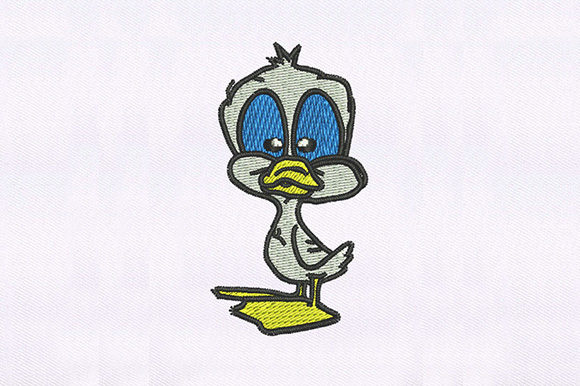
The Duckling Cap Design immediately captures attention with its charming, whimsical essence. As an embroidery designer who has worked extensively with small boutique brands and Etsy sellers, I appreciate how this machine embroidery design strikes a balance between simplicity and character. The layout is compact yet expressive, featuring a stylized duckling perched on a cap—perfectly suited for sweatshirts where the placement needs to be both eye-catching and unobtrusive. What stands out most is the stitching personality. It’s not overly detailed or intricate, but it carries enough depth to feel intentional and hand-crafted. This kind of design works well for a sweatshirt embroidery project that wants to convey warmth and playfulness without overwhelming the viewer. The level of detail ensures the design remains clear even when scaled down, making it versatile for different product lines.Design Mood and Style for Cozy Apparel
This design leans into a playful and feminine aesthetic, which aligns perfectly with seasonal collections like cozy hoodies and pastel-themed sweaters. Its soft curves and rounded shapes evoke a sense of comfort and approachability, fitting naturally into a lifestyle brand's visual language. Whether placed on oversized hoodies or more fitted styles, the Duckling Cap Design adds a touch of cuteness that can elevate the entire collection. While it doesn’t scream boldness, it does have a quiet confidence that makes it memorable. The duckling motif subtly nods to nature and birds, bringing in a rustic or countryside vibe depending on the fabric and color choices. For handmade products, this kind of understated charm can go a long way in building buyer trust and brand identity.Appearance on Different Fabrics and Colors
When considering how the Duckling Cap Design will appear across various sweatshirt bases, here are my observations:- Neutral Sweatshirts: On gray, beige, or white fabrics, the design shines with clarity and contrast. A neutral base allows the thread colors to pop while maintaining a timeless look.
- Dark Fabric: Placement on black or navy sweatshirts requires careful selection of thread colors. Lighter hues like ivory or pastel pink would work best to maintain visibility and avoid blending in.
- Pastel Colors: The duckling design complements pastel shades beautifully. Using similar-toned threads can create a subtle gradient effect, ideal for spring or baby apparel lines.
- Oversized Hoodies: The compact size of the design fits well on larger silhouettes. Placing it slightly off-center gives it room to breathe and enhances the casual, streetwear appeal of the piece.
- Cozy Seasonal Apparel: For fall or winter drops, pairing the design with warm knits or fleece-lined hoodies could add a nostalgic, homey touch that appeals to customers looking for comfort and style.
Placement and Application for Sweatshirt Embroidery
As part of a premium sweatshirt collection, the Duckling Cap Design offers several strategic placement options.Chest placement is the most common and effective use, especially for hoodie designs. It should be positioned just below the collar seam to ensure it’s visible without being too low. Because the design isn’t large, it won’t compete with other branding elements, making it suitable for layered looks.
For sleeve accents, the design could be mirrored on both sleeves or used as a single feature for asymmetrical styling. This is particularly useful for boutique brands aiming to differentiate their pieces from mass-produced alternatives.
If you're going all-in with a back design, consider using it in a smaller version as a secondary accent next to a bolder main logo or pattern. It adds a cohesive layer to the overall visual theme without overpowering it.
Practical Design Considerations
Before finalizing the digital embroidery file for production, there are several key factors to evaluate:- Thread Color Contrast: Ensure your chosen thread colors offer sufficient contrast against the fabric. This is essential for visibility and perceived quality.
- Stitch Density: The design maintains good stitch density, avoiding excessive bulk that might pucker on stretchier or thinner sweatshirt materials.
- Fabric Thickness: Works well on standard-weight cotton blends. For ultra-soft or lightweight fabrics, consider reinforcing with a tear-away stabilizer underneath to preserve shape and detail.
- Small-Size Readability: The design retains its legibility at smaller sizes, which is great for boutique merchandise where variety in sizing is often necessary.
- Hoop Size: While specific hoop dimensions aren’t listed, based on the file formats provided (including DST, PES, JEF), it likely supports multiple hoop sizes. Always test on a sample before scaling up.
- Washing Durability: With proper stabilizer and high-quality thread, the design should hold up through repeated washing cycles—an important consideration for commercial apparel use.