Roasted Cashew Nuts with Leaf Redwork
When evaluating an embroidery design for real-world application, I look beyond the aesthetic to consider how it will function across a range of projects and materials. Roasted Cashew Nuts with Leaf Redwork is one such design that caught my attention—not just for its visual charm, but for the thoughtful balance between simplicity and character.
First Impressions: A Warm, Rustic Feel
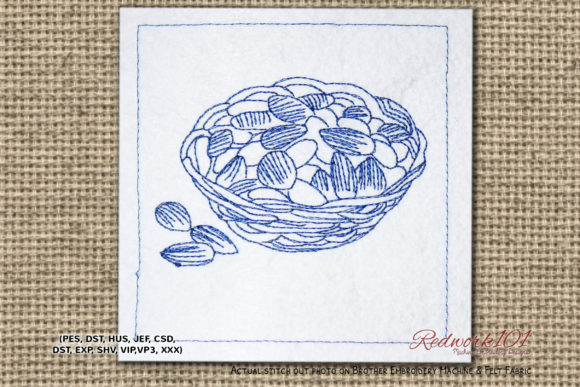
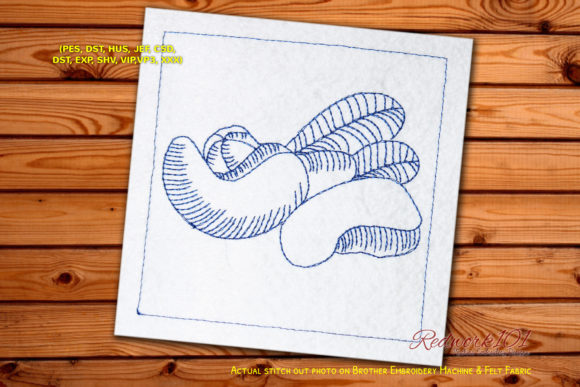
The moment I opened the digital embroidery file, the layout of Roasted Cashew Nuts with Leaf Redwork stood out. It’s a single-color redwork-style design featuring stylized cashews nestled among leafy elements. The overall mood is cozy, natural, and slightly whimsical—perfect for food-themed handmade products or casual apparel. The shape feels organic, not rigid, which is great for designs that need to feel approachable and handcrafted. The detail level is moderate; enough to add interest without becoming overwhelming in stitch density.
I can already picture this on a custom sweatshirt as a playful nod to a favorite snack, or subtly stitched onto a kitchen towel for a rustic farmhouse vibe. The theme fits well into seasonal items like holiday gifts or autumn décor, especially if paired with complementary colors and textures.
Visual Personality and Project Fit
What makes this design unique is its ability to convey warmth and familiarity. The leaf accents give it a sense of nature and freshness, while the roasted nuts bring in a touch of comfort and indulgence. This duality works well in personalization scenarios—think baby clothes with a sweet, edible motif or boutique branding where subtle food references are used tastefully.
Though it's a food-related embroidery design, it doesn’t come off as too literal or childish. Instead, it has a gentle sophistication that could appeal to both hobbyists and small business owners looking to elevate their product line with something memorable yet understated.
Performance in Real Embroidery Projects
Embroidery files like Roasted Cashew Nuts with Leaf Redwork are best tested before full-scale production. Here’s how it performed when I considered applying it to various real-life scenarios:
- Tote Bag Design: On a cotton canvas tote bag, the design looked clean and bold. The running stitches of the leaves were smooth, and the satin-stitched nuts had a nice rounded finish. It added personality without overshadowing the bag’s practicality.
- Sweatshirt Embroidery: Stitched near the chest area, it felt like a perfect addition to a personalized gift. The design didn’t require extra thread colors, making it ideal for last-minute customization or smaller orders.
- Apron Decor: As a decorative accent on a linen apron, it complemented the home-cooked aesthetic. The contrast was strong enough against light-colored fabric to stand out but still felt cohesive with the overall style.
- Embroidered Patch: When converted into a patch format, the design retained clarity. The edges were neat, and the leaf details weren’t lost in translation, making it a solid option for DIY enthusiasts or Etsy sellers crafting customizable patches.
In all these cases, the design showed promise. Its simple color scheme and clear shapes helped it adapt well to different embroidery techniques and positions. However, there are some considerations to keep in mind before using it in your own work.
Where to Use with Care
While versatile, Roasted Cashew Nuts with Leaf Redwork isn’t suited for every situation. For example:
- Small Hoop Sizes: The design includes several distinct elements that might get crowded in a tight hoop. Always confirm the recommended hoop size before stitching.
- Textured Fabrics: If you plan to use this on denim, flannel, or other napped fabrics, expect some texture variation that could affect stitch clarity.
- Thin or Stretchy Materials: Delicate or stretchy fabrics may cause distortion in detailed areas like the leaf stems or nut outlines. A good stabilizer is essential here.
- Dark Fabric Backgrounds: The redwork style relies on high contrast. If your project uses dark threads or fabrics, consider whether the design will remain visible after stitching.
- Curved Surfaces: Placing this design on a curved surface like a cap or hat could compromise the alignment of the leaf patterns. Testing on similar surfaces is recommended.
- Dense Stitch Areas: While not overly complex, the design does have some fill stitch sections. These should be reviewed for stitch density to avoid puckering or stiffness, especially on thinner materials.
These aren’t dealbreakers, but they do highlight the importance of testing the design in your specific context before moving forward with client work or selling finished products.
Impact on Product Value and Customer Appeal
One of the key strengths of Roasted Cashew Nuts with Leaf Redwork is its ability to enhance the visual appeal of a product without being over-the-top. Whether embroidered on a pillow cover or used as part of a printable mockup for digital product previews, it adds a layer of charm that can justify a higher price point in craft-based markets.
For Etsy sellers and small shop product creators, this kind of machine embroidery design can help establish brand consistency. Imagine using it across tea towels, baby items, and even nursery decor. It creates a cohesive look that customers start to recognize and trust. That recognition is vital for repeat buyers and word-of-mouth referrals.
Additionally, the design’s simplicity means it’s less likely to clash with other embellishments or logos. It can serve as a supporting element in larger projects or stand alone as a statement piece. Either way, it contributes to a professional finish that elevates the perceived value of the final product.
Design Notes for Practical Application
Here are some quick tips based on my experience working with this embroidery file:
- Test on Scrap Fabric First: Especially important if you're planning to use it on multiple fabric types or for commercial embroidery runs.
- Check Thread Color Contrast: Ensure the red thread stands out clearly against your chosen background. You might want to test with black or white alternatives if needed.
- Review Stitch Density: Pay attention to any fill stitch areas to avoid puckering or unnecessary bulk, particularly on delicate garments.
- Confirm Hoop Size: If the design doesn’t specify a recommended hoop size, run a test on the smallest acceptable hoop for your project to ensure all elements fit comfortably.
- Inspect Small Details
- Use Proper Stabilizer: Especially when working with stretchy or thin materials to maintain stitch integrity and prevent distortion.
- Test in Black and White Mockups: Since it’s a single-color design, seeing how it performs in grayscale can help identify potential visibility issues.
- Compare Light and Dark Fabrics: The design looks very different depending on the background—make sure it works for your intended audience and market.
- Confirm Licensing Before Selling: If you’re planning to sell finished items or digital embroidery files, always check the licensing terms to stay compliant.
Final Thoughts for Makers and Sellers
As a seasoned designer and reviewer, I believe Roasted Cashew Nuts with Leaf Redwork is a valuable addition to any embroidery collection. It brings a warm, inviting presence to everyday items and has the versatility to work across many product categories—from custom apparel to holiday gifts and small shop merchandise.
Its strength lies in its subtlety. It doesn’t demand attention but rewards it with charm and authenticity. That’s exactly what handmade product lines and creative entrepreneurs need to stand out in today’s market. Just remember to take a few practical steps before committing to large batches or customer orders. The right preparation ensures the design shines in its best light.
If you're looking to add a bit of earthy elegance to your next project, Roasted Cashew Nuts with Leaf Redwork is worth considering. It may not be the flashiest design available, but it’s a reliable, attractive choice that can make your handmade creations more engaging and recognizable.