Oven Roasted Turkey Lineart Design: A Practical Embroidery Review
As an experienced embroidery designer and product reviewer, I always take a step back to evaluate how a design will perform in the real world—not just on screen. Oven Roasted Turkey Lineart Design is one of those designs that caught my eye with its theme but needed more than just visual appeal to earn a spot in my project lineup. Let’s dive into what makes this design work—or not—depending on your creative goals.
First Impressions and Visual Personality
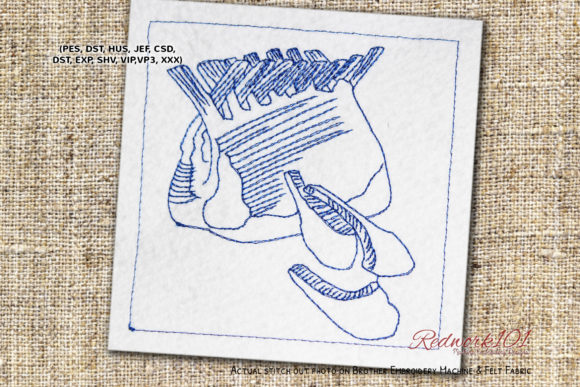
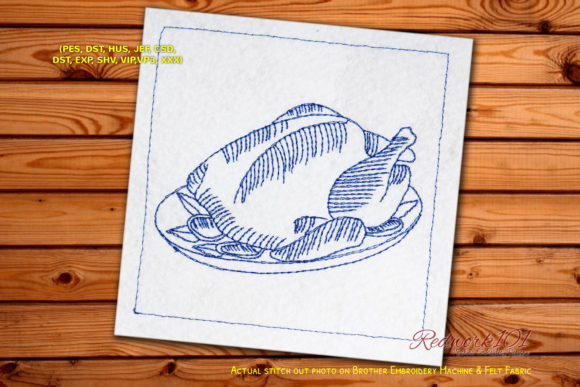
The Oven Roasted Turkey Lineart Design has a clear and stylized approach. It’s clean, well-proportioned, and immediately evokes a cozy, holiday-ready vibe. The turkey is rendered with crisp outlines and minimal shading, making it ideal for lineart-based projects where the focus is on silhouette and shape rather than color complexity. The optional box stitch framing adds structure and definition, which could be useful for certain applications like patches or framed applique pieces.
I appreciate the simplicity of the design. It doesn’t overwhelm the viewer with too many details, yet it feels festive and recognizable. That balance is key when choosing machine embroidery designs for commercial or handmade products—you want something that can be easily adapted without losing its charm.
Real-Life Project Fit and Application
Let’s imagine a scenario where I’m preparing a custom embroidered sweatshirt for a local boutique. The client wants a Thanksgiving-themed piece that feels warm and inviting but also modern enough to blend with their current inventory. The turkey design fits right in. Its lineart style works well for both front-and-center placements and subtle background accents, especially if you’re layering it with other elements like leaves, pumpkins, or even a handwritten date.
This design would also serve beautifully as part of a tote bag design for a seasonal market item. When paired with text such as “Thankful” or “Grateful,” it becomes a cohesive and appealing visual. For embroidered patch lovers, the turkey could be stitched onto felt or woven fabric, then attached to backpacks or jackets. The optional box stitch gives it a finished edge, so no additional trimming or backing is needed if that feature is included.
In holiday gifts, this turkey could add a personal touch to aprons, pillow covers, or even kitchen towels. The design’s personality is versatile enough to feel at home in a range of craft business offerings, from nursery decor to small shop product branding.
Thread Color Contrast and Fabric Considerations
One thing to note is that the outer box in the design is typically a different color than the turkey itself. This means the user has some flexibility in thread choices, but also needs to consider how colors interact on various fabrics. If you're working on a dark-colored tote or a baby sweater, the contrast between the turkey and the box should be strong enough to stand out without appearing cluttered.
For best results, test the design using a black and white mockup before committing to final thread colors. This helps ensure visibility and clarity across different fabric textures and lighting conditions. On textured fabrics like canvas or flannel, the turkey may lose some sharpness unless you use a stabilizer that supports high-density stitching.
Where Caution Is Key
While the Oven Roasted Turkey Lineart Design is generally adaptable, there are specific contexts where it might require extra attention:
- Small hoop sizes: The turkey’s size and detail may need scaling down carefully. Check stitch density and corner accuracy after resizing.
- Stretchy or thin fabrics: These materials can cause distortion in the turkey’s shape, especially around the detailed corners and edges.
- Dark or busy backgrounds: Without proper thread contrast, the turkey might get lost. Opt for bright white or pastel threads if stitching over darker materials.
- Curved surfaces: When using this on caps or curved areas, ensure the design aligns properly and adjust for any warping during the hoop setup.
- Products needing frequent washing: Dense stitch areas might lead to pilling or fraying over time. Use quality thread and appropriate stabilizers to preserve longevity.
Impact on Product Value and Customer Engagement
A design like this can significantly enhance the visual appeal of your handmade product. The turkey’s friendly, approachable look can help attract customers who are looking for personalized items with a sense of warmth and tradition. As an embroidery file for digital product sellers, it offers consistency and reusability across multiple orders, which is essential for maintaining brand recognition and professionalism.
When used correctly, this design elevates the finished product by adding a layer of thoughtful detail. Customers often respond positively to familiar imagery done with care—especially around holidays. But keep in mind, clarity is everything. If the turkey appears blurry or misaligned, it can hurt customer trust and the perceived value of your work.
Designer Notes and Best Practices
Here are some practical tips I’ve picked up while working with similar lineart-style designs:
- Test on scrap fabric first: Especially if you plan to resize or modify the design. This ensures the turkey retains its form and the stitches don’t bunch or skip.
- Review stitch density: High-density fill stitches might be unnecessary here. Stick to light satin or running stitches to maintain a soft finish.
- Confirm hoop size: Always double-check the recommended hoop dimensions. Scaling improperly can lead to loss of detail or uneven proportions.
- Inspect small details: Make sure the turkey’s features—like feathers and eyes—are clearly defined. These are often the first things people notice.
- Use proper stabilizer: Even simple lineart designs benefit from good stabilization, particularly on stretchy or layered materials.
- Check licensing before selling: If you're planning to use this in commercial embroidery projects or digital product previews, confirm whether the design allows resale or redistribution of the digital embroidery file.
Design Versatility and Brand Consistency
What I love about this turkey design is its adaptability. It can be incorporated into a wide variety of craft business items—from tea towels to custom apparel—and still retain a consistent visual identity. This is important for Etsy sellers and small shop owners who rely on repeatable, recognizable patterns to build their brand.
For printable mockups, the turkey looks great as a preview element. It’s easy to scale and integrates smoothly with text and other graphic elements. This makes it a solid choice for digital product sellers who offer embroidery kits or design bundles for download.
However, if you're aiming for a minimalist aesthetic, the optional box stitch might feel a bit heavy-handed. In such cases, skipping the outer frame entirely can give the turkey a more delicate appearance, suitable for baby embroidery or understated holiday gifts.
Final Thoughts for Creative Entrepreneurs
The Oven Roasted Turkey Lineart Design isn’t flashy, but it does what it promises: it delivers a charming, straightforward turkey image that works across many embroidery projects. Whether you're a hobbyist making personalized gifts or a professional creating small shop product lines, this design has the potential to add meaningful character to your creations.
But remember, lineart is only part of the equation. How you choose to stitch it—thread color, stitch type, fabric selection, and stabilizing methods—will ultimately define its success. Take time to review each aspect before launching into production, and always prioritize stitch clarity and visual harmony.
If you’re considering this design for a sweatshirt embroidery project or a batch of holiday gift tags, make sure it complements the rest of your design assets. With the right context and preparation, Oven Roasted Turkey Lineart Design can become a reliable staple in your embroidery toolkit.