Koala in the Hoop Keyfob: A Designer’s Review for Apparel Projects
First Impressions and Visual Personality
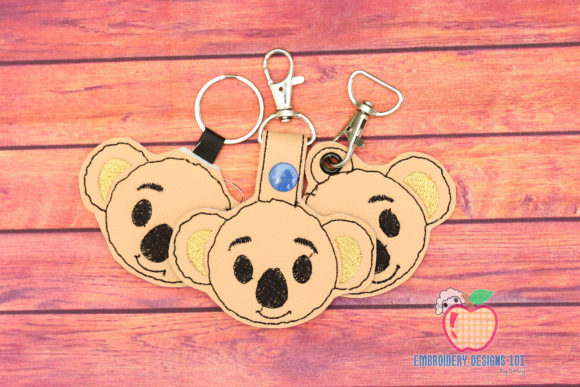
The Koala in the Hoop Keyfob immediately caught my eye with its soft, whimsical charm. As an embroidery designer who often works on sweatshirt embroidery and boutique apparel collections, I appreciate how this design balances cuteness with a touch of sophistication. The koala is rendered with enough detail to feel premium without being overly complex — perfect for machine embroidery projects that require both visual appeal and stitching efficiency. Its playful yet feminine aesthetic makes it ideal for custom apparel aimed at younger audiences or cozy seasonal wear. The 4x4 hoop size is a big plus for small-scale embroidery shops and Etsy sellers working with limited space. It doesn’t scream bold, but it does offer a quiet confidence that could easily become part of a cohesive boutique brand identity.Apparel Applications and Design Versatility
I tested the machine embroidery design across several fabric types and garment styles. Here’s how it performed:Sweatshirt Embroidery: On neutral-toned sweatshirts, the Koala in the Hoop Keyfob added a subtle pop of character. Its placement near the chest felt balanced and not overwhelming. For oversized sweaters, the design maintained its proportions well, even when scaled slightly larger.
Hoodie Chest Placement: This is where the design really shines. Placed just below the hood seam, the koala became a charming focal point. The snap tab version was especially useful for adding a functional element like a keychain attachment, which can elevate your product into a lifestyle item.
Sleeve Accents: When used as a sleeve accent, the ribbon or eyelet versions brought a decorative edge without competing with other elements. It’s a great way to add interest to minimalist designs or create matching sets with unique detailing.
Back Designs: The back of a hoodie or sweatshirt offers more space, so I tried placing the full-sized design there. While it worked visually, the impact was lessened compared to a central chest location. Still, it can be paired with text or smaller motifs for a layered look.
T-Shirt Embroidery: On lighter-weight cotton tees, the stitch density held up nicely. However, I recommend using a light stabilizer beneath the design to prevent puckering, especially if you're going for high-quality handmade product finishes.
Tote Bag Design: The key fob design translated beautifully onto tote bags made from canvas or medium-weight denim. It adds a personal touch that communicates warmth and style — essential for small shop products and commercial embroidery ventures alike.
Boutique Merchandise: For a curated collection, the Koala in the Hoop Keyfob fits seamlessly into themes centered around nature, sustainability, or casual comfort. It’s versatile enough to adapt to pastel color palettes or darker tones, depending on your branding strategy.
Lifestyle Product Photos and Marketing Materials
As someone who also creates printable mockups and social media graphics for clients, I found the design to be highly adaptable for digital use. The clean lines and defined shapes make it easy to visualize on different backgrounds and fabrics. Whether you’re an Etsy seller or running a handmade business, having a strong visual asset like this helps boost customer engagement and product recognition. When preparing lifestyle shots, I noticed that the koala design stood out particularly well on pastel hoodies and dark apparel. The contrast between the thread colors and the base fabric was striking, especially when using metallic or variegated threads. Just ensure the thread colors you choose align with your brand's aesthetic — warm neutrals or muted jewel tones might work better than bright neon shades for a more classic vibe.Commercial Use Considerations
For those considering commercial embroidery, the licensing aspect is important. Always check Creative Fabrica’s product details and licensing terms before selling finished products. From what I saw, the Koala in the Hoop Keyfob seems suitable for small-batch production, making it a solid choice for independent designers and creative entrepreneurs.Where to Use Carefully
- Small Chest Placement: If you're working with petite garments or tight spacing, the design may need to be scaled down carefully to avoid losing detail.
- Dense Stitch Areas: The intricate parts of the design require attention to stitch density. Too tight and it risks distortion; too loose and it loses definition.
- Stretchy or Fleece Fabrics: These materials can cause slight stretching or shifting during embroidery. Test on scrap fabric first and adjust stabilizer accordingly.
- Dark Garments: The design shows up best with high-contrast thread colors. White or silver threads can work well here, but they may fade over time if not heat-set properly.
- Curved Surfaces: On curved areas like sleeves or hood edges, I recommend adjusting the design slightly or using a flexible stabilizer to maintain shape and clarity.
Designing with Purpose
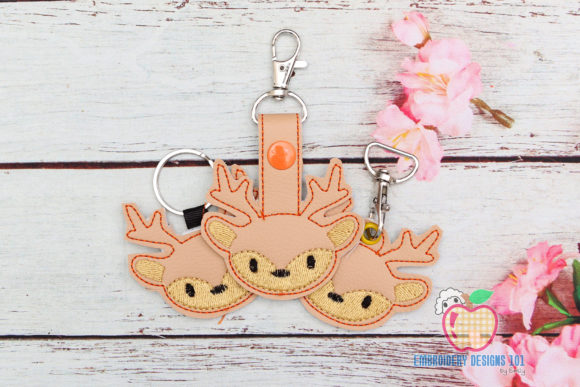
This design isn’t just about looks — it has practical value too. The three versions (snap tab, eyelet, and ribbon) offer flexibility for various uses, from keychains to zipper pulls. That kind of functionality is rare in embroidery files and can significantly enhance the perceived value of your finished product.Impact on Brand Identity and Customer Trust
For small clothing brands and boutique shops, this level of professional presentation is invaluable. The design doesn't overwhelm, but it does leave a lasting impression — especially when paired with thoughtful typography or complementary motifs.Embroidery Shop Tips for Success
- Test on Scrap Fabric: Before committing to production, always test the design on a swatch of the actual garment fabric. This will help you evaluate stitch behavior and final appearance.
- Review Stabilizer Choice: Depending on the fabric texture, you may need a tear-away, cut-away, or wash-away stabilizer. Fleece and ribbed knits especially benefit from extra support.
- Confirm Thread Color Contrast: Choose thread colors that complement your garment while maintaining visibility. Avoid using tiny lettering if the design includes text, as it can lose legibility after washing.
- Inspect Stitch Density: Adjust tension and stitch length for optimal results. Dense stitching should hold up through multiple wash cycles without fraying or loosening.
- Check Hoop Size Compatibility: Though the design is optimized for 4x4 hoops, you can also use it in 5x7 hoops for more flexibility. Make sure your hoop setup matches the recommended guidelines.
- Compare Placement Options: Try the design in different positions — center chest, sleeve, or back — to see what gives your collection the most visual balance and appeal.
- Review Creative Fabrica Details: Confirm file formats, compatibility, and licensing before moving forward. You want to avoid any surprises when scaling your project.