Firefighter Fighting a Fire Scene Embroidery Design Review
When evaluating an embroidery design for real-world use, it's essential to look beyond the visual appeal and consider how it translates into a finished product. Firefighter Fighting a Fire Scene is one such design that caught my eye recently—not just for its bold imagery but for how well it could perform across various projects. As an experienced designer and reviewer, I've stitched countless machine embroidery designs, and this one stands out in both theme and adaptability. Let me break down what makes it work, where it shines, and where you might want to tread carefully.
A Bold Theme with Purpose
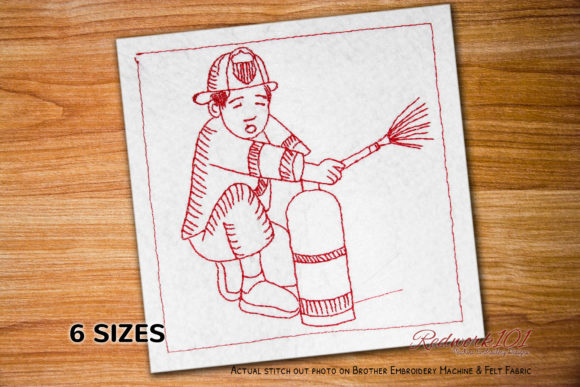
The first thing that strikes you about Firefighter Fighting a Fire Scene is its strong narrative. It’s not just an image; it tells a story of heroism and action. The layout is dynamic, with the firefighter positioned as if mid-action, flames surrounding the scene, and perhaps even smoke or equipment included. This kind of composition adds depth and movement, which can be incredibly engaging when applied to custom apparel or handmade gifts.
As someone who often works with themed embroidery files, I appreciate how the design avoids clichés while still being instantly recognizable. The level of detail—especially in the firefighter's gear and the fire itself—is impressive without being overwhelming. That balance is key when considering how the design will stitch on different fabrics and products.
Real-Life Use Cases: Where This Design Excels
I imagine Firefighter Fighting a Fire Scene working beautifully on sweatshirts and tote bags. These are common items in craft businesses and Etsy shops, and the design’s scale allows for a dramatic yet readable impact. When stitched onto a 15x10 hoop, for example, the details remain sharp and the overall feel of the design is professional and heartfelt.
This design also has potential for holiday gifts and personalized products. A custom sweatshirt for a child’s birthday or a printed pillow cover for a firefighter-themed nursery would benefit from its clear lines and symbolic imagery. For boutique branding, it could serve as a unique embroidered patch added to aprons or caps, offering a touch of individuality and purpose to small shop merchandise.
In terms of commercial embroidery, the design feels like it could fit into a range of curated collections—think back-to-school, emergency service appreciation, or even community pride items. Its versatility makes it a solid choice for digital embroidery file sellers looking to offer something meaningful and marketable.
Design Notes for Optimal Results
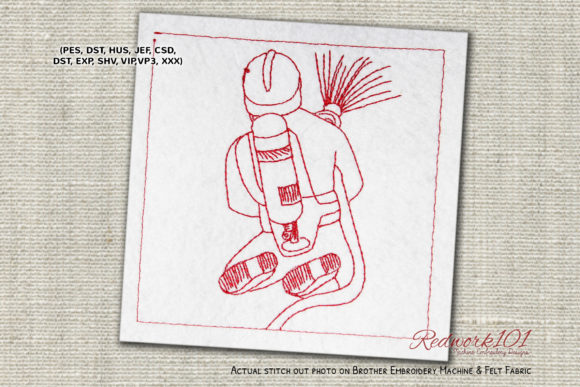
- Thread Color Contrast: The outer box stitch mentioned in the description is optional, but if you decide to include it, make sure the thread color contrasts well with the background. Especially if using dark fabric, test the visibility of the box before finalizing your project.
- Satin Stitch Clarity: The firefighter’s face and helmet seem to rely heavily on satin stitch techniques. These areas may require extra attention to ensure they don’t become matted or distorted after washing.
- Fill Stitch Balance: The fire and smoke elements likely use fill stitches. While these add dimension, too much density can cause puckering or stiffness. Be sure to review stitch density settings depending on your fabric choice.
- Stabilizer Use: Because of the detailed nature of the scene, using a high-quality stabilizer is recommended, especially on stretchy or thin materials. Without it, some areas might lose their crispness during stitching.
Where to Use with Caution
While Firefighter Fighting a Fire Scene is visually compelling, it's not a one-size-fits-all solution. Here are a few situations where you might need to adjust your approach:
- Small Hoop Sizes: If you're planning to stitch this design in a smaller hoop (like 6x10), the detail-rich areas may get lost. Consider scaling it down carefully or focusing only on the central figure.
- Textured Fabrics: On canvas or denim-like textures, the fine lines of the design might not come through clearly. Test the design on scrap fabric to see how it interacts with the surface.
- Thin or Stretchy Materials: Delicate cottons or knits may struggle under the weight of dense stitch areas. You’ll want to adjust tension and possibly reduce stitch density to prevent distortion.
- Dark Fabric Backgrounds: The design includes lighter tones for the firefighter and darker ones for the flames. To maintain clarity, always check how the thread colors pop against the chosen fabric.
- Curved Surfaces: If you’re using this for cap embroidery or curved patches, keep in mind that tight corners and complex shapes may not lay flat. Extra testing is advised.
Visual Appeal Meets Practicality
What I really admire about this design is how it balances emotional resonance with practical execution. It doesn't just look good—it invites storytelling. Whether it's used for a personalized gift or a commercial item, the design conveys professionalism and care. Customers will notice the effort put into selecting and placing such a thoughtful design on a handmade product.
Its visual personality makes it stand out in printable mockups and digital product previews. As an embroidery file, it’s suitable for both personal and commercial embroidery projects, provided licensing terms are confirmed. Always double-check whether you're allowed to sell finished items or digital downloads based on the design’s source.
Enhancing Product Value and Customer Trust
For Etsy sellers and handmade shop owners, using a design like Firefighter Fighting a Fire Scene can elevate the perceived value of a product. It shows intentionality and quality, which are crucial for building customer trust. A well-executed custom sweatshirt with this design isn’t just a piece of clothing—it becomes a keepsake or a symbol of gratitude.
From a brand consistency standpoint, this design could serve as a signature element for a line of community-focused or emergency service-themed items. It helps establish a niche and reinforces the message behind each product. In gift-giving scenarios, it’s undeniably giftable, especially around holidays or special events like National Firefighters Day.
Designer Tips for Getting the Most Out of the File
Before committing to a full production run or listing this in your Etsy store, here are some steps I recommend:
- Test on Scrap Fabric First: Always stitch the design on a sample to evaluate how it looks and feels post-embroidery.
- Review Stitch Density Settings: Dense fill areas can lead to puckering, especially on soft or stretchy materials. Adjust accordingly.
- Check Thread Colors Against Fabric: Confirm that the colors in the design provide enough contrast to be visible and impactful.
- Inspect Small Details: Look closely at elements like facial features or equipment. These may need tweaking if they appear too faint or distorted.
- Use Proper Stabilization: Depending on your fabric, you may need more than just regular backing. Try tear-away or cut-away stabilizers for best results.
- Test Black-and-White Mockups: This helps assess how the design will read without relying on color alone, which is especially important for grayscale prints or monochromatic embroidery.
- Compare Light and Dark Backgrounds: The design’s visibility can vary greatly between a white t-shirt and a navy sweatshirt. Make sure you know which options work best.
- Confirm Licensing Terms: If you plan to resell the finished product or distribute the digital embroidery file, verify that the license permits such use.
Final Thoughts from the Field
Embroidery is as much about technique as it is about creativity. Firefighter Fighting a Fire Scene is a prime example of a design that offers both. It’s expressive enough to capture attention but structured enough to work reliably in most environments. However, no design is perfect for every situation. Understanding its strengths and limitations is key to using it effectively in your embroidery project.
Whether you're an apparel decorator looking to create a standout tote bag design, or a craft business owner wanting to add a meaningful touch to your handmade products, this design deserves a place in your collection. Just remember to treat it with the same care you'd give any other machine embroidery design—test thoroughly, adjust as needed, and let the design speak for itself once it's stitched into a finished product.